Search This Supplers Products:Ceramic ToiletWall Hung ToiletRimless ToiletTwo Piece ToiletWash BasinCountertop Basin
Why Are Ceramic Basins So Expensive? A Behind-the-Scenes Look at the Production Process
sourceMWD CERAMICS
publisherMWD-CERAMICS
time2025/06/16
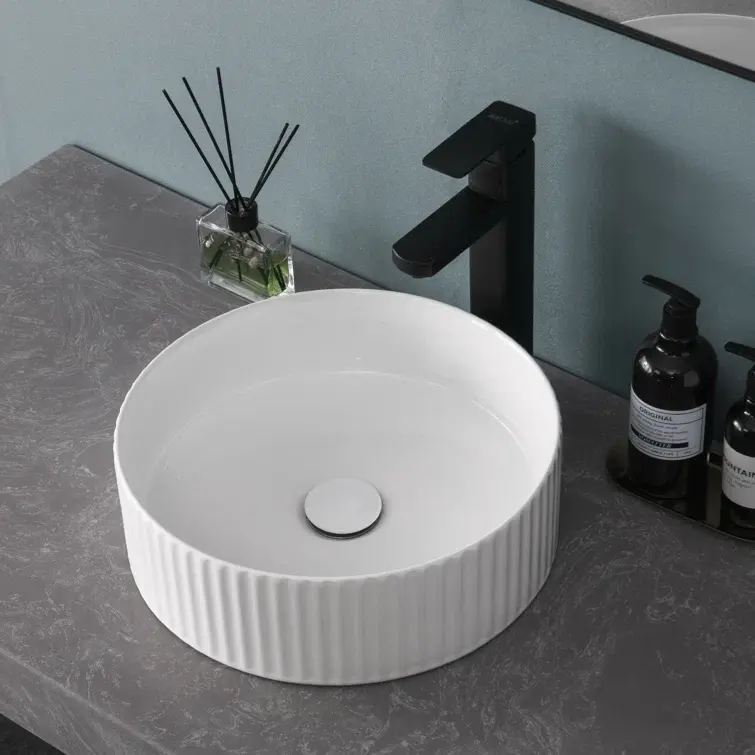
- Discover why ceramic basins are more expensive than they seem. Explore the full ceramic sink production process—from clay preparation to high-temperature firing—and understand the craftsmanship behind every high-quality bathroom basin.
Ceramic wash basins are a staple in modern bathrooms, known for their elegant appearance, durability, and ease of cleaning. But for many consumers and wholesale buyers, a common question arises: Why are ceramic basins often more expensive than they look?
The answer lies in the complexity and craftsmanship involved in ceramic basin production—a process that is both time-consuming and labor-intensive. Let’s take a closer look behind the scenes.
Step-by-Step: How a High-Quality Ceramic Basin Is Made
1. Raw Material Preparation (Clay Mixing)
The process begins with selecting and blending natural clays. This step, called 配土 (pei tu), ensures the right composition and consistency for shaping and firing.
2. Slurry Forming (Ball Milling)
The clay is mixed with water to form a fine slurry. This stage is crucial for achieving the uniform texture needed for high-end bathroom basins.
3. High-Pressure Molding
Unlike traditional hand-molding, modern factories use high-pressure casting techniques to create precise and durable shapes. This method helps reduce defects and ensures consistency across large batches.
4. Mold Handling & Demolding
After casting, molds are carefully opened (开模), and the freshly formed pieces are removed (脱模) with precision. At this point, the basin is still extremely fragile.
5. Shaping & Drying
Holes are drilled (开孔) for fixtures and drains. The basin is left to air-dry naturally (自然风干) before entering a controlled drying room (暖房烘干), which reduces internal stress and prevents cracks.
6. Trimming and Surface Finishing
Both wet and dry trimming (修湿胚 & 修干胚) are performed by skilled workers to refine the shape and edges. Any imperfections are corrected at this stage.
7. Glazing (喷釉)
A smooth, protective glaze is sprayed on after careful surface preparation (查油, 清理釉渣, 吹掉灰尘). This step enhances both aesthetics and waterproofing.
8. Kiln Firing (烧制)
The glazed basins are loaded into kilns (装窑, 入窑) and fired at temperatures exceeding 1200°C. This high-temperature firing process vitrifies the ceramic, making it strong, dense, and highly durable.
9. Unloading & Quality Inspection
Once cooled (出窑), each basin is thoroughly inspected for defects. Only those that meet strict quality standards move on to packaging and distribution.
Why This Process Adds to the Cost
Each ceramic basin undergoes more than 18 steps, requiring specialized equipment and skilled labor. Key cost drivers include:
· Material Quality: High-grade clay and glaze materials cost more but ensure long-term durability.
· Labor Intensity: Skilled artisans are needed for precision work like trimming, drilling, and glazing.
· Energy Use: Kilns consume large amounts of energy to reach and maintain firing temperatures.
· Quality Control: Rigorous inspections and rework add to operational costs.
The Value Behind the Price Tag
A premium ceramic bathroom sink is not just a piece of functional decor—it's the result of a highly refined manufacturing process. From raw clay to a glossy, finished product, every basin reflects quality craftsmanship and attention to detail.
So next time you see a higher price on a ceramic basin, you’ll know it’s not just about the look—it’s about what’s been invested behind the scenes to ensure performance, durability, and design excellence.