
Search This Supplers Products:Ceramic ToiletWall Hung ToiletRimless ToiletTwo Piece ToiletWash BasinCountertop Basin
Say Goodbye to Guesswork: 6 Popular Bathroom Vanity Materials Explained
sourceMWD CERAMICS
publisherMWD-CERAMICS
time2025/07/30
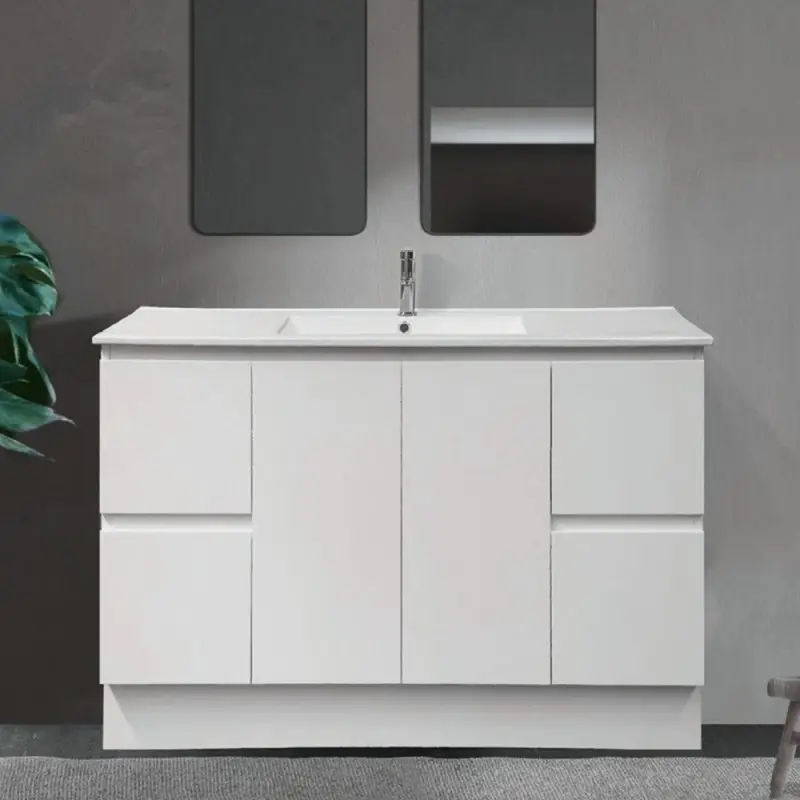
- Confused about bathroom vanity materials? Explore 6 popular types—from MDF to stainless steel—and find the right fit for your space, style, and moisture level. A guide by MWD.
Choosing the right bathroom vanity is about more than just looks—it’s about durability, moisture resistance, maintenance, and how well it fits your lifestyle. At MWD, we’ve worked with thousands of clients across hotels, villas, apartments, and residential homes, and one thing is clear: there’s no such thing as a one-size-fits-all material.
To help you cut through the confusion, we’ve broken down six of the most common bathroom vanity materials, with honest pros, cons, and ideal use cases. Whether your space is prone to moisture or you're after a clean modern aesthetic, there's a material that's just right for you.
1. MDF (Medium Density Fiberboard)
MDF is one of the most affordable and versatile materials for vanity cabinets. It offers a smooth, flat surface that can be shaped into various styles and easily painted or coated.
Pros:
· Great design flexibility (ideal for detailed doors and painted finishes)
· Smooth surface, easy to customize
· Budget-friendly
Cons:
- Sensitive to water and moisture
- If edges or coating are damaged, it may swell or warp
MWD Tip: Best used in dry areas or in bathrooms with excellent wet-dry separation. Always look for well-sealed edges and quality waterproof paint.
2. PVC (Polyvinyl Chloride)
PVC vanities are a popular choice for humid bathrooms due to their outstanding waterproof performance.
Pros:
· 100% waterproof and highly stain-resistant
· Easy to clean
· Mid-range pricing
· Available in vibrant colors and finishes
Cons:
- Plastic-like texture may not appeal to everyone
- Poor-quality PVC may warp under high heat or scratch easily
MWD Tip: A reliable choice for bathrooms with high humidity or limited ventilation. Just be sure to choose high-grade PVC to avoid issues over time.
3. Plywood / Multi-Layer Board
Known for its strength and stability, plywood (or multi-layer board) offers better moisture resistance than MDF, especially when treated.
Pros:
· Strong and structurally stable
· Handles humidity well (especially waterproof versions)
· Can be finished with wood veneer, lacquer, or PVC wrap
· Holds heavy countertops with ease
Cons:
- Higher cost compared to MDF or PVC
- Exposed edges need proper sealing to prevent water damage
MWD Tip: A balanced option for most modern bathrooms. Works well in dry and semi-moist areas, especially if you’re after a wood-look finish with durability.
4. Sintered Stone / Rock Slab (aka “Ceramic Stone” or “Porcelain Slab”)
If you're after extreme durability and a high-end finish, sintered stone vanities offer unbeatable performance.
Pros:
· Scratch-proof, heat-resistant, non-porous
· Easy to sanitize, ideal for hygienic environments
· Visually luxurious with marble-like patterns
· Thin profile saves space without compromising strength
Cons:
- Premium price point
- Brittle edges can chip if not properly handled
- Surface can feel cold to the touch
MWD Tip: Perfect for minimalist, luxury bathrooms or hospitality projects that demand both style and strength.
5. Aluminum Alloy (often marketed as “Space Aluminum”)
Modern, lightweight, and tough—aluminum vanities are gaining popularity in damp and coastal environments.
Pros:
· Rust-proof, waterproof, and resistant to mold
· Extremely lightweight and long-lasting
· Recyclable and low-VOC, great for eco-conscious buyers
· Unique metallic textures (brushed silver, matte black, etc.)
Cons:
- Limited design options (tends toward industrial look)
- Cold metal feel in colder climates
- Poor-quality units may be flimsy
MWD Tip: A smart option for humid or seaside locations, or for homeowners wanting a clean industrial or minimalist style.
6. Stainless Steel
The gold standard in durability, stainless steel vanities are built to last decades.
Pros:
· 100% waterproof and rust-proof
· Extremely hygienic and easy to sanitize
· Perfect for healthcare or high-traffic commercial bathrooms
· Industrial, professional appearance
Cons:
- Cold, metallic feel
- Limited finish and color variety
- Fingerprints and water stains may be more visible
MWD Tip: Choose stainless steel when hygiene and durability come first—like in clinics, commercial spaces, or industrial-inspired homes.
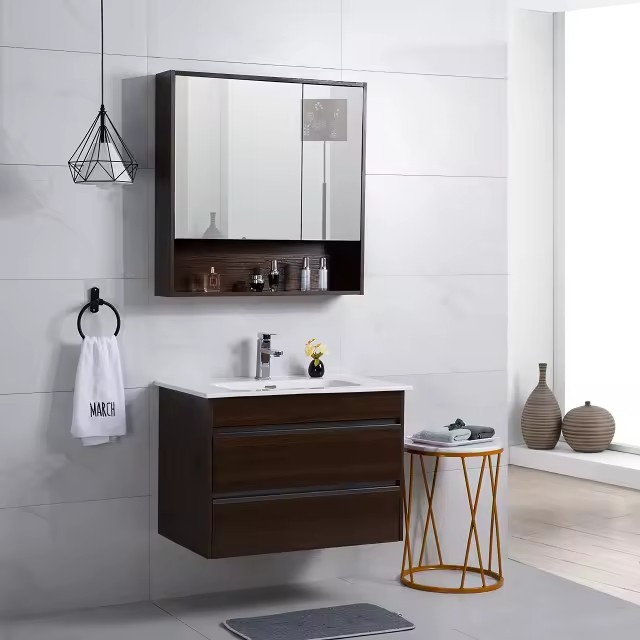
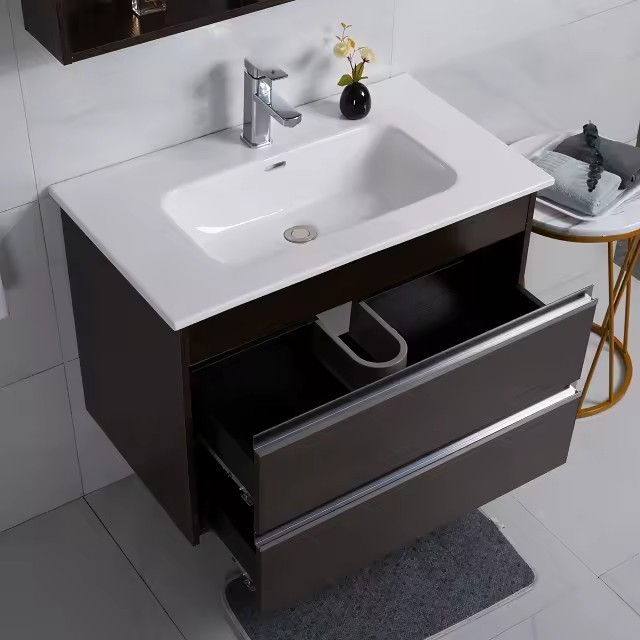
Choosing the Right Material: Match It to Your Space
If your bathroom is constantly damp, or there's no proper dry-wet separation:
Go with PVC, space aluminum, or stainless steel. Plywood works too, with proper sealing.
If your bathroom has good ventilation and separation:
You have more freedom—MDF, plywood, and even sintered stone are all great options based on style and budget.
Match by style:
Modern & Luxury: Sintered stone, matte PVC, aluminum
Natural & Scandinavian: Wood-textured plywood, MDF
Industrial/Minimalist: Aluminum, stainless steel
Final Thoughts
There’s no single “best” bathroom vanity material—only the one that best suits your space, your style, and your priorities.
At MWD, we offer a wide selection of vanity cabinets across all major materials, with the design, durability, and finish quality to meet the needs of global buyers—from home renovators to hotel developers.
Need help choosing the right fit for your next project? Get in touch—we’re here to help you build a better bathroom.